1771–1832. Born in Edinburgh; died at his home, Abbotsford, in Roxburghshire, Scotland.
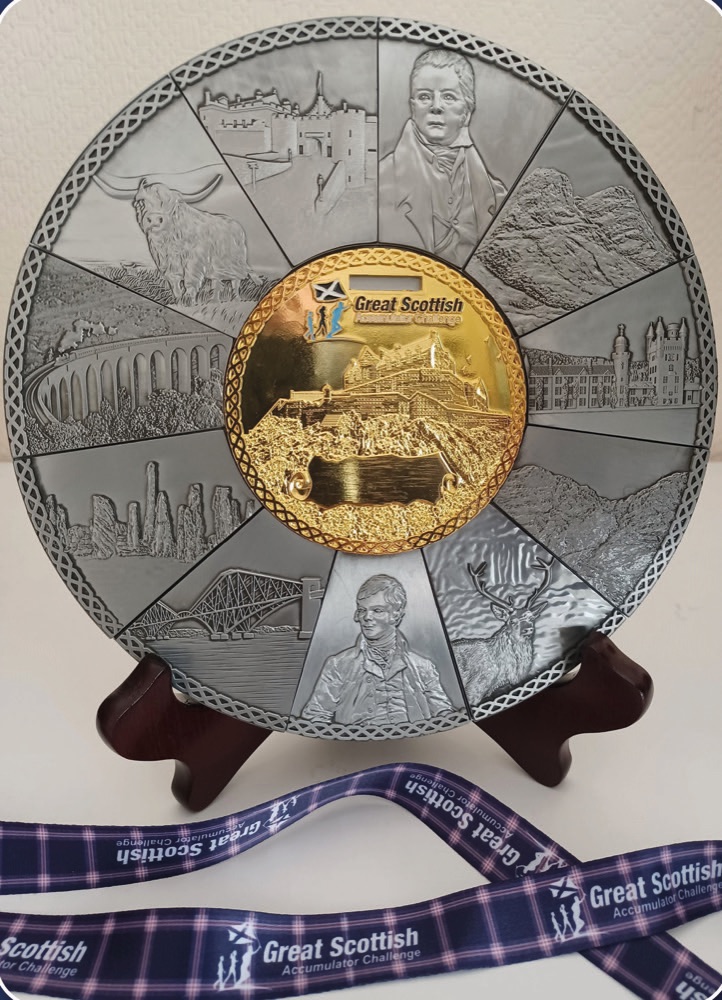
A poet, novelist, historian and biographer, Sir Walter was considered one of the greatest practitioners of the historical novel. Sir Walter Scott wrote many poetic works, such as “The Lady of the Lake”, but he is most famous for writing the Waverley Novels, which are still popular to this day. When you visit Edinburgh you can see the Scott Monument, built in 1844, standing proudly 60m tall in Princes Street Gardens: one of Edinburgh’s iconic landmarks.
This is one of Scotland’s top visitor sites, located about eighteen miles south of Fort William in the Western Highlands. The region is famous for its combination of stunning mountain scenery and the infamous 1692 massacre.
Glencoe is arguably Scotland’s most historic glen. It has been voted Scotland’s most romantic glen, and also one of the most Instagrammable places in Scotland.
Balmoral Castle has been one of the residences of the British Royal Family since 1852, when the estate was bought and altered by Prince Albert, the husband of Queen Victoria. The Balmoral Estate has been added to by successive members of the Royal Family, and it now covers approximately 50,000 acres. Balmoral Castle is situated in Royal Deeside, Aberdeenshire, and it is now owned privately by King Charles III.
Ben Nevis is the highest mountain in the British Isles, situated in Inverness-shire in the Highlands of Scotland. The summit is 1,345 metres above sea level. Ben Nevis stands at the western end of the Grampian Mountains in the Lochaber area, close to the Highland town of Fort William.
There are few animals that are more iconic of Scotland, and of Celtic culture in general, than the Highland stag. This majestic beast was introduced to the British Isles sometime in the Stone Age. It was known to continental tribes well before then, and revered as a spiritual animal as well as a source of food, clothing and tool-making materials. Cave paintings showing red deer date from as early as 40,000 years ago.
1759–1796. Born in Alloway, Scotland; died in Dumfries, aged only 37. Robert Burns is known, among other names, as Rabbie Burns, the National Bard, the Bard of Ayrshire and the Ploughman Poet. He is widely regarded as the national poet of Scotland and is celebrated all over the world. Here are just a few of Robert Burns’s poems: Auld Lang Syne, A Red, Red Rose, Address to a Haggis and My Heart’s in the Highlands.
The Forth Railway Bridge is a UNESCO World Heritage Site. The railway bridge, crossing the Firth of Forth, had the world’s longest span (521m) when it opened in 1890.
It remains one of the greatest cantilever truss bridges ever built, and continues to carry passengers and freight. The Forth Bridge is an extraordinary and impressive global milestone in bridge design and construction.
8Scotland’s Standing Stones
Throughout Scotland, strange clusters of stones spike up from the earth. Unlike England’s Stonehenge, you can walk right up to these megalithic marvels and stand in their shadows. Erected thousands of years ago, their purpose and significance remain lost to time, transforming the stones into monuments of mystery and intrigue.
Glenfinnan Viaduct is instantly recognisable. It was built in 1897 as a railway viaduct on the West Highland Line in Inverness-shire, and it is the longest concrete railway bridge in Scotland.
Glenfinnan Viaduct has been used as a location for several films & TV series. The best known are Ring of Bright Water, Monarch of the Glen, The Crown and, most famously, the Harry Potter films. Harry Potter fans from all over the world come to view the viaduct.
The Highland cow is a Scottish breed of rustic cattle. It originated in the Scottish Highlands and the Outer Hebrides islands of Scotland. It has long horns and a shaggy coat. A very hardy breed, bred to withstand tough conditions, it is reared primarily for beef.
Stirling Castle is one of the largest and most important castles in Scotland, both historically and architecturally. Before the Union with England (1707), Stirling Castle was one of the most used of Scotland’s many castles, very much a palace as well as a fortress.
Several kings and queens have been crowned in the castle, including Mary Queen of Scots in 1543. Others were born or died there. Stirling Castle overlooks the battlefields of two famous Scottish battles: Bannockburn and Stirling Bridge.
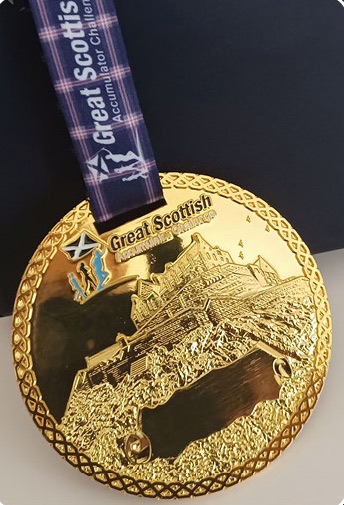
Edinburgh Castle is one of the oldest fortified places in Europe, with a very long and rich history as a royal residence, military garrison, prison and fortress.
Set upon its volcanic rock foundation, Edinburgh Castle’s strategic advantages are clear. Iron Age people built a fort on the rock, and the castle has suffered many sieges over the years.
Edinburgh Castle was home to Scottish kings and queens for many centuries. The Honours of Scotland, the Scottish Crown Jewels, are on display in the castle’s Crown Room. Every summer, the world-famous Royal Edinburgh Military Tattoo takes place on the castle esplanade.